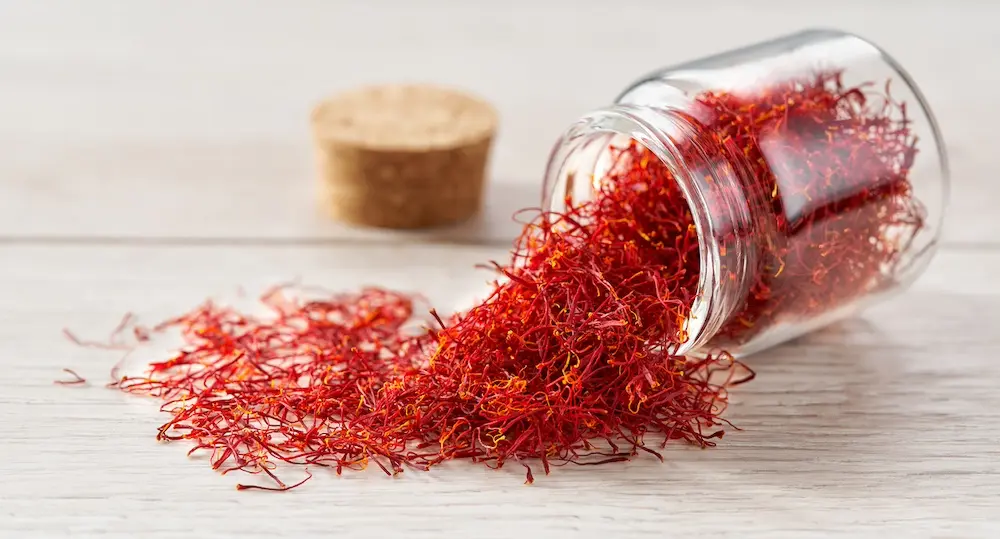
How fake saffron and its manufacturer destroy India’s reputation
🇮🇳 1. Tarnishing India’s Image as a Trusted Exporter
India is known globally for producing high-quality Kashmiri saffron (GI-tagged). When counterfeit or adulterated saffron is exported or sold as “Indian saffron,” it leads to loss of credibility in international markets. Foreign buyers start to doubt the authenticity of all Indian saffron, even if it’s genuine.
2. Rise in Adulteration = Fall in Trust
Unscrupulous manufacturers often mix dyed corn silk, safflower, or plastic fibers to mimic real saffron. These fake products are sold at lower prices, fooling customers. This damages consumer trust not just in one brand, but in all Indian spice exports.
3. Hurts India’s Global Trade & Economy
International buyers may shift to Iranian or Spanish saffron, assuming Indian saffron is unreliable. This reduces export revenue, affects the livelihoods of honest Indian saffron farmers, and weakens India’s position in the global spice market.
4. Legal & Ethical Concerns
Fake saffron producers often violate food safety norms, leading to product bans or alerts from importing countries. Such incidents create regulatory challenges for all Indian exporters and invite stricter scrutiny on future consignments.
5. Destroys Farmer Livelihoods
When fake saffron floods the market at lower prices, real Kashmiri saffron becomes harder to sell, even though it is of superior quality. This leads to financial distress for small-scale farmers who rely on seasonal saffron cultivation for income.
6. Public Health Risk = Brand Damage
Adulterated saffron may contain chemical dyes or synthetic substances that pose health risks. When consumers fall ill, the blame falls on “Indian saffron” as a whole, harming India’s image as a producer of safe and natural products.
Conclusion
Fake saffron production is not just a fraud—it’s a direct attack on India’s agricultural reputation, export credibility, and farmer welfare. Eliminating such practices is essential to preserve the heritage of Kashmiri saffron, uphold quality standards, and protect India’s global standing in the spice trade.
How fake saffron is made in factory
Using Dyed Plant Fibers
Corn silk, safflower petals, dried grass, or thin red threads from maize cobs are commonly used.
These are cut into small thread-like shapes to resemble real saffron strands.
Coloring the Threads
The threads are soaked or sprayed with chemical dyes (like Tartrazine or Sunset Yellow) or synthetic red inks to match the deep orange-red hue of genuine saffron.
These colors bleed quickly in water, unlike real saffron, which releases color slowly.
Drying & Scenting
The dyed threads are sun-dried or oven-dried to harden them and make them look like dry saffron strands.
In some setups, artificial saffron aroma or kesar essence is sprayed to mimic the scent of real saffron.
Addition of Glucose or Sugar Crystals
In some cases, sugar crystals or glucose powder are added to increase weight or gloss, making the product look “premium”.
Packaging as “Pure Saffron”
The fake product is then packed in saffron-style boxes, labeled as “Pure Kashmiri” or “Spanish Saffron”, and sold at low prices in local markets or online platforms.
Fake Saffron Characteristics:
Bright, artificial red color
Color releases instantly in water
Strong synthetic smell
Tasteless or bitter flavor
Cheap price per gram
No saffron stigma structure under magnification
Warning: Health Risks
These fake products may contain toxic dyes and non-edible fibers, posing serious health hazards like:
Allergies
Liver/kidney damage
Digestive issues
What goverment should do to punish them
Enforce Strict Anti-Adulteration Laws
Strengthen penalties under the Food Safety and Standards Act (FSSA), 2006, for those found guilty of saffron adulteration.
Treat saffron fraud as economic sabotage under relevant criminal laws and apply non-bailable offenses for repeat offenders.
Implement mandatory imprisonment (up to 7 years) and hefty fines (₹5–10 lakh or more) for large-scale manufacturers of fake saffron.
Mandatory Testing and GI Verification
Enforce mandatory lab testing and certification for all saffron sold in the market.
Make it illegal to sell saffron without a GI tag (Geographical Indication) for genuine Kashmiri saffron or valid origin labeling for other regions.
Require batch-wise QR code traceability to link saffron directly to registered farmers or cooperatives.
Establish an Anti-Food-Fraud Task Force
Create a specialized anti-adulteration unit under FSSAI or Consumer Affairs Ministry.
Conduct surprise raids and factory inspections of spice units, especially in known adulteration zones.
Reward whistleblowers who report illegal factories.
Ban and Penalize Online Listings of Fake Saffron
Enforce strict compliance rules on e-commerce platforms like Amazon, Flipkart, Meesho, etc., to remove counterfeit saffron listings.
Penalize platforms that allow the sale of uncertified saffron repeatedly.
Educate and Empower Consumers
Launch a nationwide campaign to educate the public about fake saffron and how to identify real products.
Add warnings on spice packaging and saffron alternatives sold in bulk markets.
Protect Genuine Farmers & Brands
Provide subsidies or GI marketing support to Kashmiri saffron farmers and genuine Indian exporters.
Protect their income by ensuring market-level price controls and exclusive branding rights through FSSAI and APEDA.
Conclusion:
Fake saffron is not just a food fraud; it’s an attack on India’s export credibility, agriculture economy, and public health. Only through firm legal action, transparent supply chains, and consumer education can the government restore trust and protect this centuries-old heritage.
Is there any way to find real saffron
1. Visual Inspection
Real saffron threads are:
Deep red or reddish-maroon
Slightly trumpet-shaped at one end
About 2–4 cm long
Dry but not brittle
Fake saffron may look:
Uniformly colored (bright red or orange)
Short, broken, or look like colored threads or corn silk
Too shiny or oily
2. Smell Test
Real saffron smells:
Earthy, slightly sweet
A strong hay-like or honey-like aroma (because of safranal)
Fake saffron often smells:
Artificial, musty, or like no scent at all
3. Water Test (Cold Water or Warm Milk Test)
Drop a few strands in warm water or milk:
Real saffron:
Slowly releases a golden-yellow hue (not red)
Threads do not lose their red color
Water turns yellow after 10–15 minutes
Threads remain intact
Fake saffron:
Instantly releases color (usually red or orange)
Threads often lose color or disintegrate
Artificial dye may float around
4. Taste Test (Optional, if safe)
Real saffron tastes bitter or slightly metallic—not sweet.
5. Paper Test (Rub Test)
Rub a few saffron strands between moistened fingers and rub on a paper:
Real saffron will leave a yellow stain, not red.
Fake saffron often leaves a reddish or orange dye stain.
6. Buy From Trusted Sources
Buy from:
Reputed spice brands
Government-approved sellers
Organic or GI-tagged Kashmir or Iranian sources
Sellers providing lab certification or purity guarantees
7. Burn Test (Advanced)
Burn a strand with a flame:
Real saffron doesn’t burn easily and smells like burnt hair or rubber.
Fake saffron may burn quickly with a chemical smell due to dyes or synthetics.
How do i complaint against fake saffron
1. File a Complaint with FSSAI (Food Safety and Standards Authority of India)
How to File:
Online:
Visit FSSAI Food Safety Connect PortalVia App:
Download the “Food Safety Connect” app (available on Android/iOS)Details to Provide:
Product name and description
Brand and seller name
Purchase invoice or photo of product
Nature of complaint (e.g., adulterated, fake, colored, no aroma)
Photo or video evidence (if possible)
2. Call or Email FSSAI
FSSAI Helpline:
1800-11-2100 (Toll-Free)
Email: complaints@fssai.gov.in
3. Complain on E-commerce Portals (if bought online)
If you purchased it from Amazon, Flipkart, Meesho, etc.:
Report the seller/product through the platform’s “Report Product” or “Return/Complain” option.
Attach proof (photos, videos) showing the product is fake or unsafe.
Ask for a refund and flag the seller for fraudulent activity.
4. Contact Local Food Safety Officer (FSO)
You can also complain to the District Designated Officer (DDO) or Food Safety Officer in your area. Contact info can be found via:
https://www.fssai.gov.in/cms/commissioners-of-food-safety.php
5. File a Complaint with the Consumer Forum
If you faced financial loss, you can also file a complaint through the:
National Consumer Helpline:
1800-11-4000 or 14404
https://consumerhelpline.gov.in
You can use their Grievance Redressal Portal (CPGRAMS):
https://pgportal.gov.in
Helpful Tip:
Take clear photos/videos of:
The packaging and label
Saffron strands before/after water or milk test
Purchase invoice or product listing
This strengthens your case.
Lorem ipsum dolor sit amet, consectetur adipiscing elit. Ut elit tellus, luctus nec ullamcorper mattis, pulvinar dapibus leo.

